
Washington Police Blotter
Washington police blotter records are public documents you can use to search incident reports, arrest logs, and crime records held by law enforcement agencies across the state. Local police departments, county sheriff offices, and Washington State Patrol all maintain these records under the state Public Records Act. This guide covers how to find and request police blotter records in Washington, what those records contain, which agencies hold them, and what privacy rules may limit access. Whether you search online or submit a formal request, this page gives you a clear path to the records you need.
Washington Police Blotter Overview
How to Find Washington Police Blotter Records
Finding police blotter records in Washington starts with knowing which agency holds what you need. Local police departments keep records for incidents in their city limits. County sheriff offices cover unincorporated areas and often smaller towns as well. Washington State Patrol handles state highways, major crashes, and maintains the central criminal history database for the state. Most requests go to one of these three types of agencies, and in some cases you may need to contact more than one.
Online search is often the fastest route. Many Washington police departments and sheriff offices post daily or weekly blotter summaries on their websites. These free summaries list recent calls for service, arrests, and incidents without requiring a formal request. For more detail, like full incident reports or specific arrest records, you generally need to submit a public records request with the agency that handled the call. Washington law requires agencies to respond within 5 business days under RCW 42.56.520. That response can be the records themselves, a timeline for delivery, or a written denial with a legal basis.
The Washington Courts case search at courts.wa.gov lets you look up criminal case outcomes statewide. This system shows what happened after an arrest documented in a police blotter. Court records and police blotter records are separate systems, but together they give a full picture of a case. Washington State Patrol also runs several online tools covered in detail below.
Washington Public Records Act and Police Blotters
The Washington Public Records Act, RCW Chapter 42.56, is the foundation for all public records access in the state. It sets the rule that government records are public by default. Agencies can only withhold records when a specific law allows it. The Act says its exemptions should be read narrowly, and its access provisions should be read broadly.
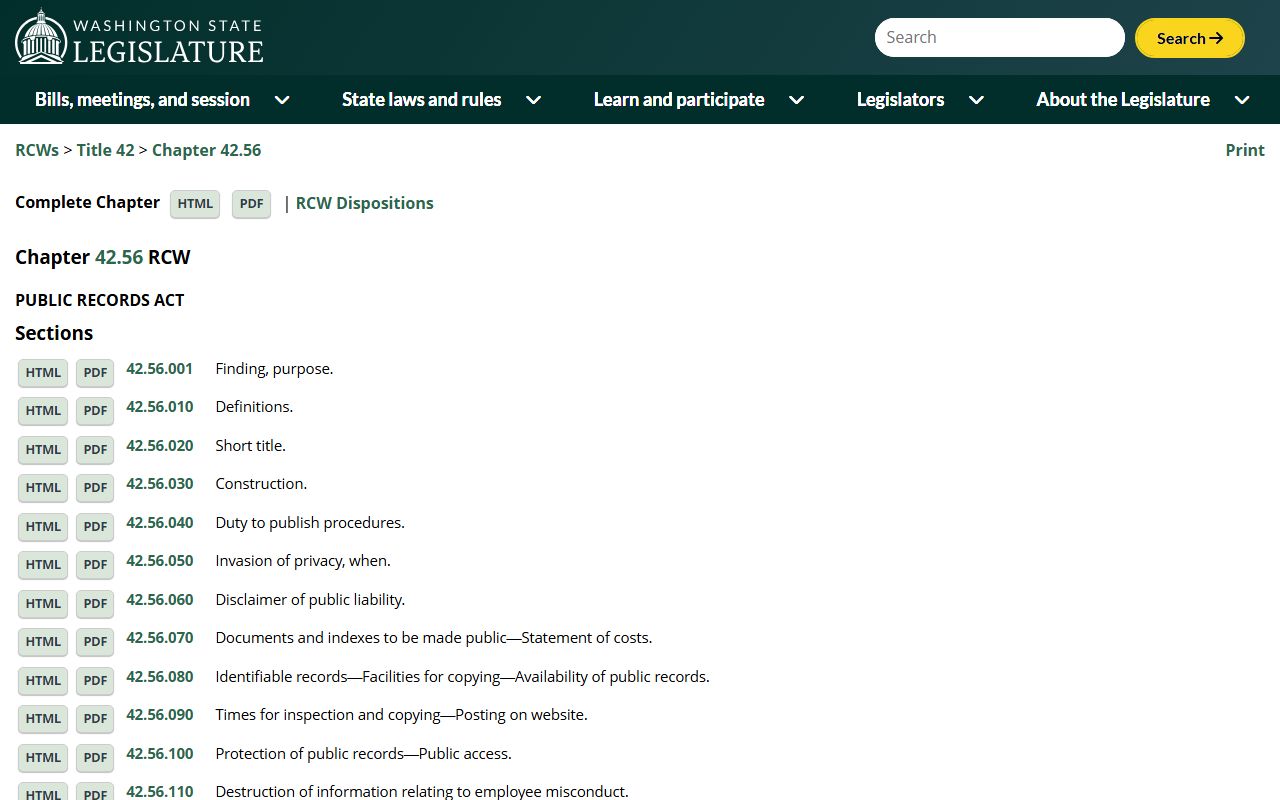
RCW 42.56 is the governing statute for all Washington police blotter and public records requests. The full text is on the Washington State Legislature website.
Under RCW 42.56.520, agencies must respond within 5 business days of receiving your request. The response does not have to deliver the actual records by that deadline, but it must acknowledge your request and give a reasonable time estimate. Large requests often take longer. Agencies can ask you to clarify what you need before the 5-day clock starts. If they deny your request, they must cite the exact law that supports the denial. Fee rules under RCW 42.56.120 cap copy charges at $0.15 per photocopied page, $0.10 per scanned page, and $0.05 per four electronic files. Some agencies charge less or provide records at no cost.
The Act covers all state and local government agencies in Washington. That means city police departments, county sheriffs, and state agencies like WSP all follow these same rules. Requests do not need to be in a specific format, though most agencies prefer written requests for tracking. You do not have to say why you want the records. There is no residency requirement to make a request.
Note: Court records are not subject to the Public Records Act. They are governed by Washington Court General Rules 31 and 31.1, and you must request them directly from the court clerk where the case was filed.
Washington State Patrol Records
Washington State Patrol manages several key databases relevant to police blotter research. The criminal history system, the collision records database, and the sex offender registry are the three most used by the public. Each has its own process and fee structure.
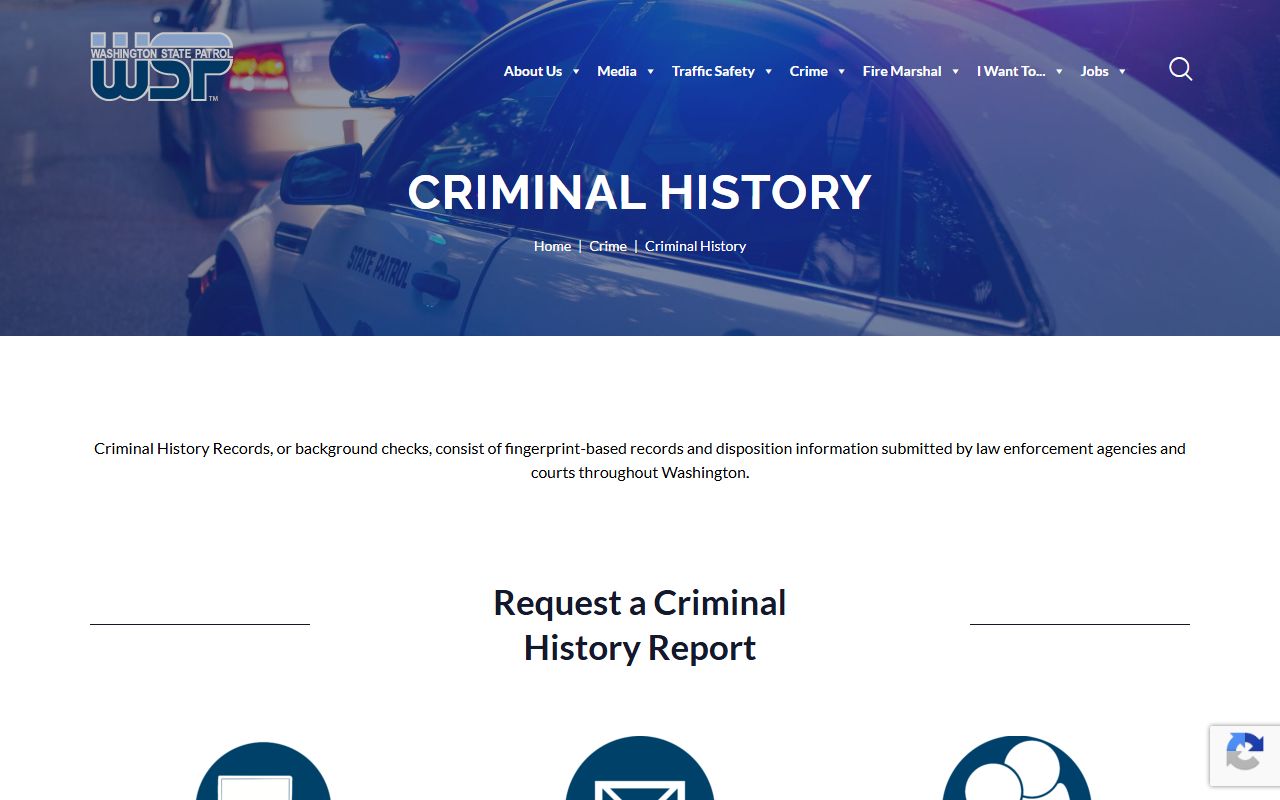
The WSP criminal history page explains how to use the WATCH system to search Washington criminal records online for $11 per search, with results returned immediately.
The WATCH system (Washington Access to Criminal History) gives the public access to conviction records and recent arrests that are still pending disposition. The fee is $11 per search, paid by debit or credit card online, and results come back immediately. Mail requests are also accepted for $32 (name and date of birth) or $58 for a fingerprint-based check. Mail requests go to WSP Identification and Criminal History Section, PO Box 42633, Olympia WA 98504-2633. In-person service is available at 106 11th Ave. SW Suite 1300, Olympia, Monday through Friday, 8 AM to 5 PM (closed noon to 1 PM). The public can only receive conviction records and certain recent arrest data. Non-conviction records are restricted under Washington law.
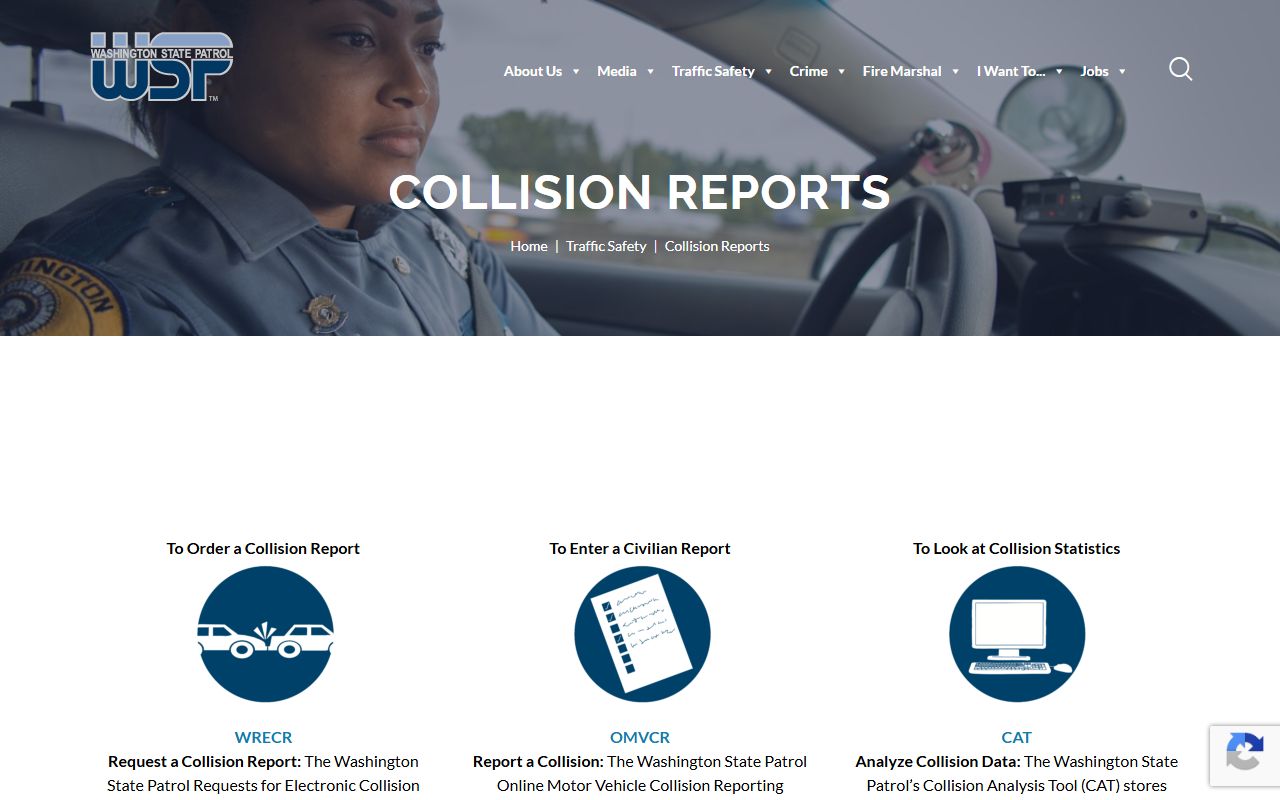
WSP operates the WRECR system for all Washington collision report requests. Reports cost $10.50 each and can be searched by report number, case number, date range, or party names.
The WRECR system handles all collision report requests in Washington. WSP is the custodian of all collision reports statewide under RCW 46.52.085. Each report costs $10.50. Records are kept for 10 years. Officers typically have 2 to 4 weeks to complete and approve reports after a crash, so very recent collisions may not show up right away. Requests can also go by mail to WSP Collision Records Section, PO Box 42628, Olympia WA 98504-2628. For questions, email collisionrecords@wsp.wa.gov. Collision information is not provided over the phone.
The WSP public disclosure portal handles requests for incident reports, administrative records, and other WSP documents beyond collision reports, in line with RCW 42.56.
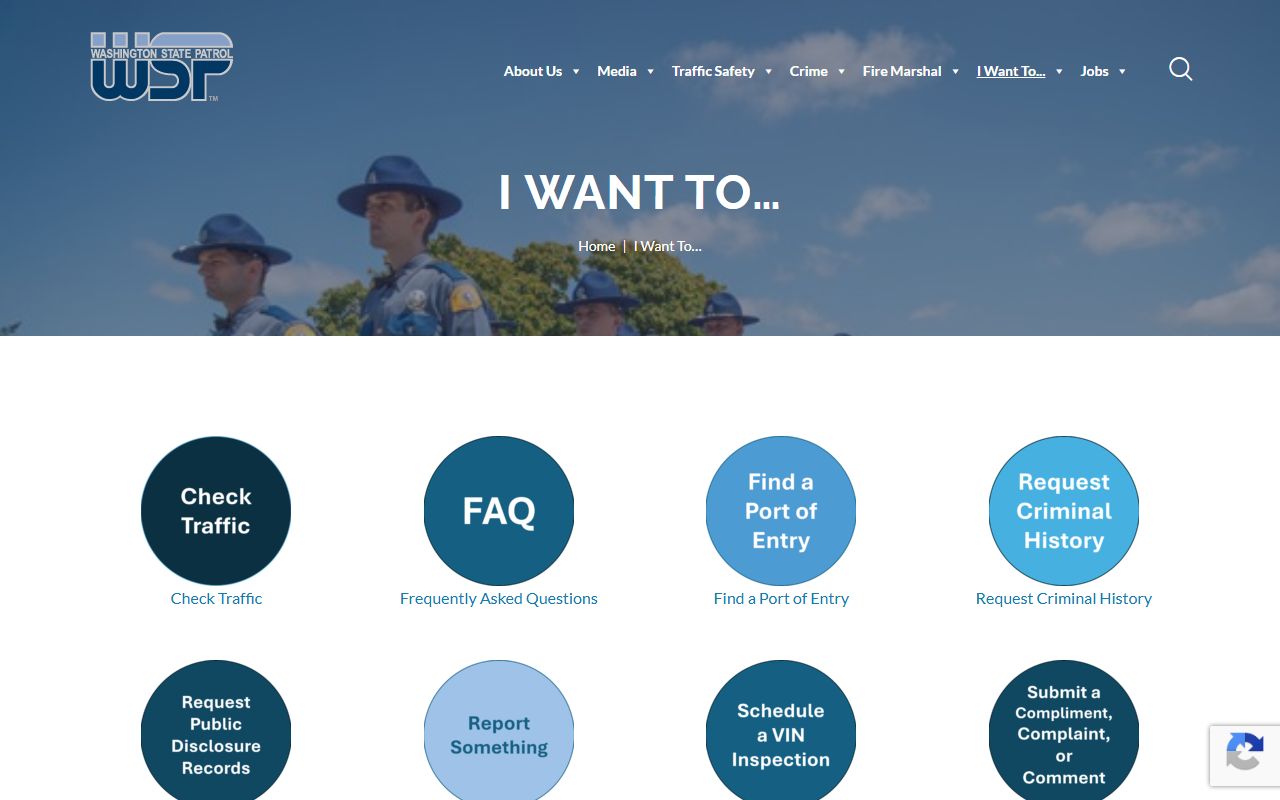
The WSP services portal is a central hub for common public requests including records, VIN inspections, complaints, and other online services offered by the State Patrol.
WSP also maintains the statewide sex offender registry through the OffenderWatch system. The registry is searchable by name, address, city, zip code, county, or geographic radius. Level I offenders carry low risk and are not subject to general public notice. Level II and Level III offender information, including current address, is publicly available. Failure to register is a felony. The Washington Supreme Court ruled in 2016 that sex offender registry data is not exempt from public disclosure under the Public Records Act.
Note: Traffic accident report information is not provided over the phone through WSP. All collision record requests must go through the WRECR system online or by mail with the $10.50 fee.
What Washington Police Blotter Records Contain
A police blotter in Washington is a log of law enforcement activity. Most agencies maintain these as internal daily records. Many publish summaries online. The depth of what you receive depends on the agency, the type of record, and what you ask for.
Basic blotter entries typically show the date and time of an incident, the type of call or offense, the general location, and whether an arrest was made. Published blotters from city departments and county sheriffs often include arrest names, charges filed, and case numbers. These published summaries are designed for public release and usually leave out sensitive investigative detail. Some agencies post them weekly. Others update daily. A few smaller departments do not publish them at all and require a formal request.
Full incident reports go much deeper. A complete report includes the responding officer's name and badge number, a narrative of what happened, names and contact details for parties involved, witness statements, evidence collected, and follow-up actions taken. Arrest records show the booking date, charges filed, bail set, and the arresting officer. Computer-aided dispatch logs show the timeline of a call from first report to officer response to case resolution. Body-worn camera footage is a separate record type with its own request process under RCW 42.56.240(14) and may take additional time to review and produce.
- Incident reports with officer narrative and case details
- Arrest logs with charges and booking information
- Computer-aided dispatch (CAD) records showing call timelines
- Crime scene and evidence reports
- Traffic collision reports through WSP WRECR
- Use-of-force reports
- Body-worn camera footage via separate request process
How to Request Washington Police Blotter Records
Most Washington law enforcement agencies accept public records requests by email, online form, mail, or in person. Online portals are the most common method. You do not need to be a Washington resident. There is no requirement to explain why you want the records.
Your request should include enough detail for the agency to locate what you need. Provide the type of record you want, the date or date range, the location, and any names or case numbers you have. Vague requests can slow things down. Agencies may ask you to clarify before the 5-day response clock starts. Providing a specific case number or incident number speeds up the search. If you are unsure of the case number, include as many details as you know and let the agency search their database.
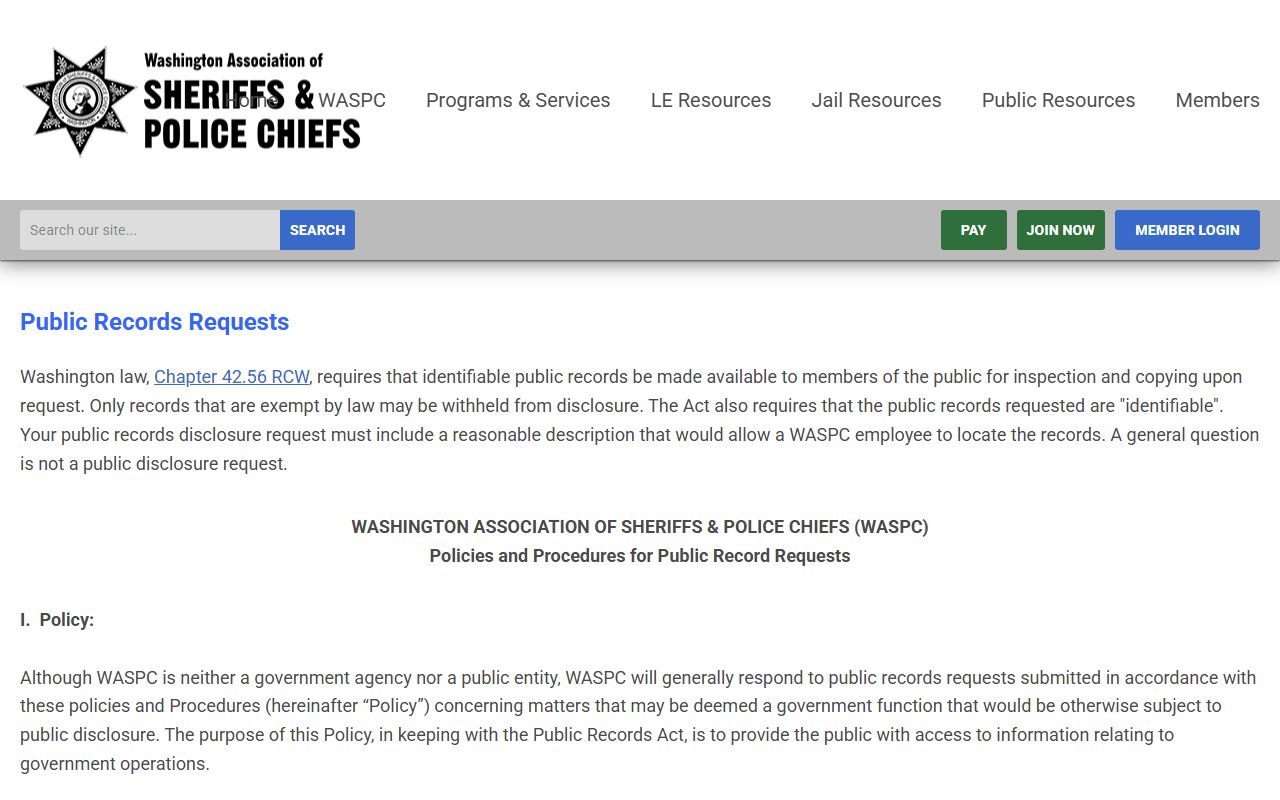
The Washington Association of Sheriffs and Police Chiefs provides public records request information and policies, including how to submit requests and what to include in a written request.
Once submitted, agencies have 5 business days to respond. That response might be the records, a production timeline, a request for clarification, or a denial with a specific legal reason. Large requests are often fulfilled in installments, with each installment accompanied by any applicable copy fees. If you disagree with a denial, you can seek review from the agency head. The Washington Attorney General's Office enforces the Public Records Act and provides guidance on your rights as a requester.
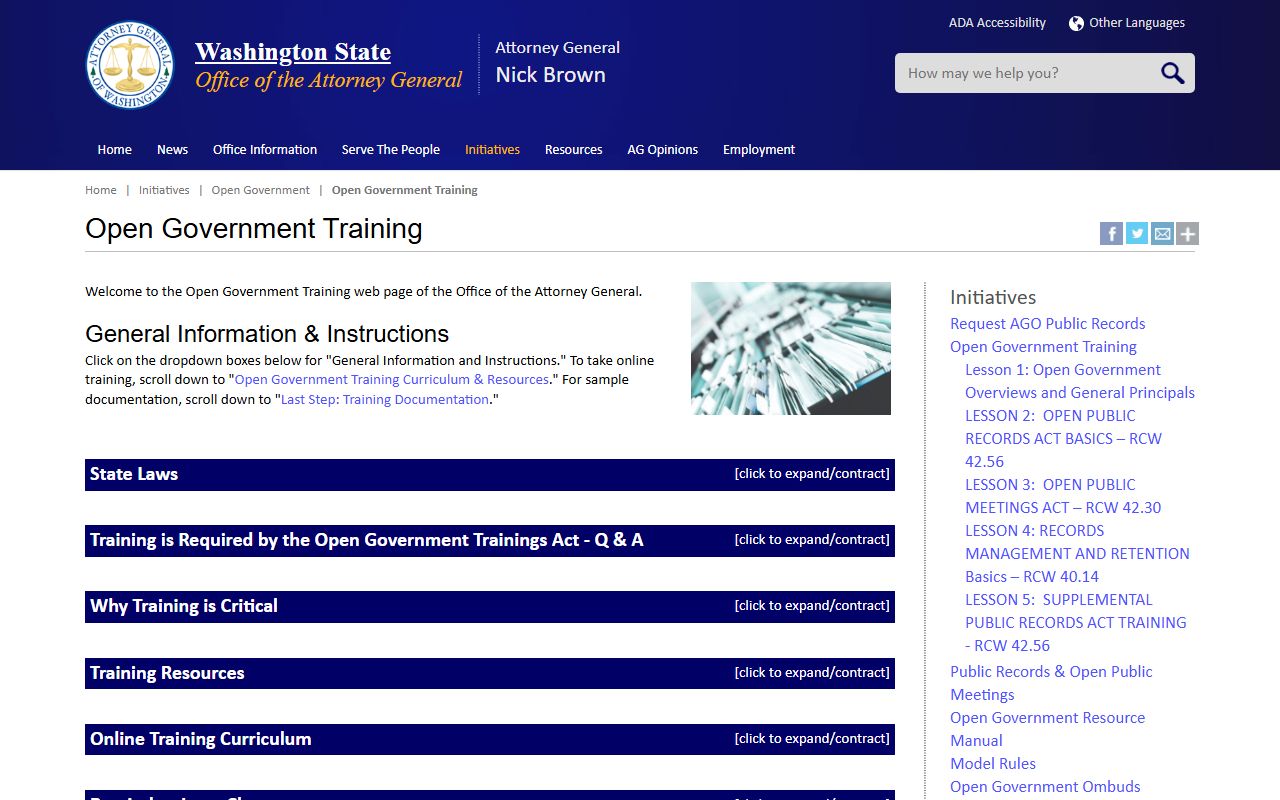
The Washington Attorney General offers open government training and resources that help the public understand their rights under the Public Records Act, including how to challenge a denial.
Court Records vs. Washington Police Blotter Records
Police blotter records and court records cover different parts of the legal process. Police records document what law enforcement did at the scene and during investigation. Court records document what the justice system decided. Both are useful, but they are not interchangeable.
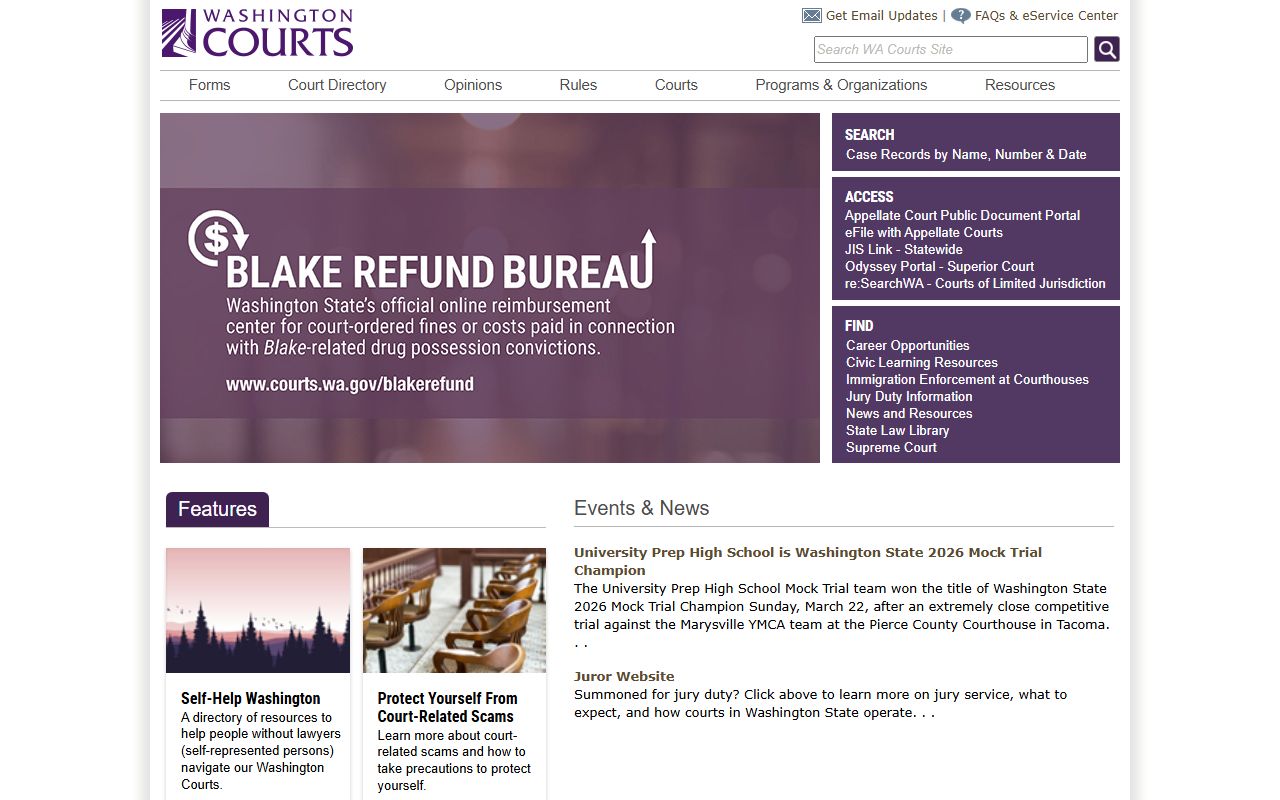
The Washington State Courts website provides a statewide case search tool that lets you look up criminal case outcomes, which are often the next step after an arrest documented in a police blotter.
Police blotter and incident records are held by law enforcement agencies and subject to the Washington Public Records Act, RCW 42.56. Court records are held by court clerks and governed by Washington Court General Rules 31 and 31.1, not the PRA. Different rules apply, different fees apply, and you contact a different office for each. To get court records, go to the clerk of the court where the case was filed. The statewide case search at dw.courts.wa.gov covers many courts and lets you search by name or case number for case status, charges, and judgments.
Together, these two record types tell a complete story. A police blotter entry shows an arrest was made on a certain date with certain charges. Court records show whether charges were filed, reduced, dismissed, or led to a conviction and sentence. If you need proof of what happened in a case from start to finish, you likely need records from both systems.
Washington Exemptions and Privacy Rules
Not all law enforcement records in Washington are public. Several statutes limit what agencies can release. Knowing the main exemptions helps you understand why some records are withheld or come back with redactions.
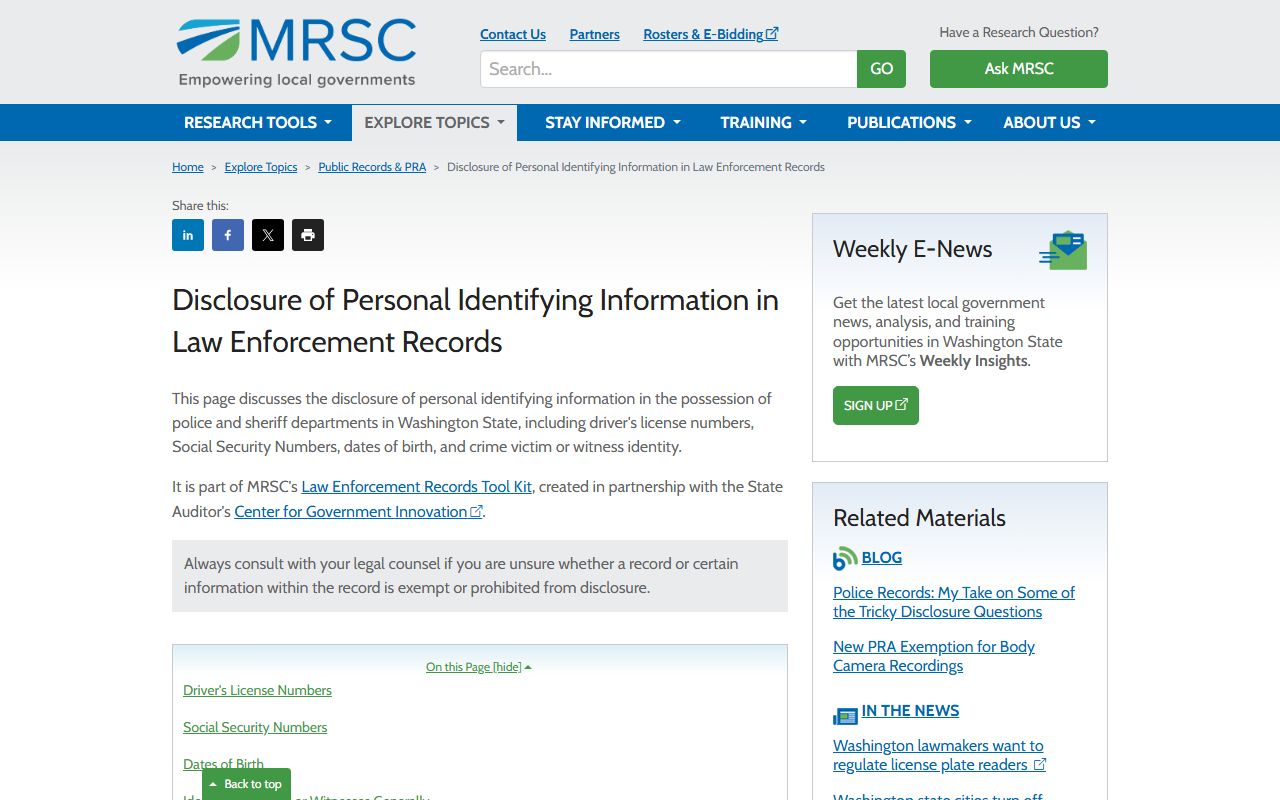
MRSC provides detailed guidance for Washington local governments on handling personal information in law enforcement records, including what can and cannot be disclosed from a police blotter.
Under RCW 42.56.240, agencies may withhold records compiled for law enforcement purposes when release would reveal a confidential informant, interfere with an active investigation, or endanger a person's safety. Victim and witness identity protection is a major part of this statute. If a victim or witness requests nondisclosure at the time of complaint, or if release would endanger their life or property, the agency may withhold that information. The agency must have specific evidence to support the claim, not a general policy. Driver's license numbers and social security numbers in law enforcement records are generally exempt under separate provisions.
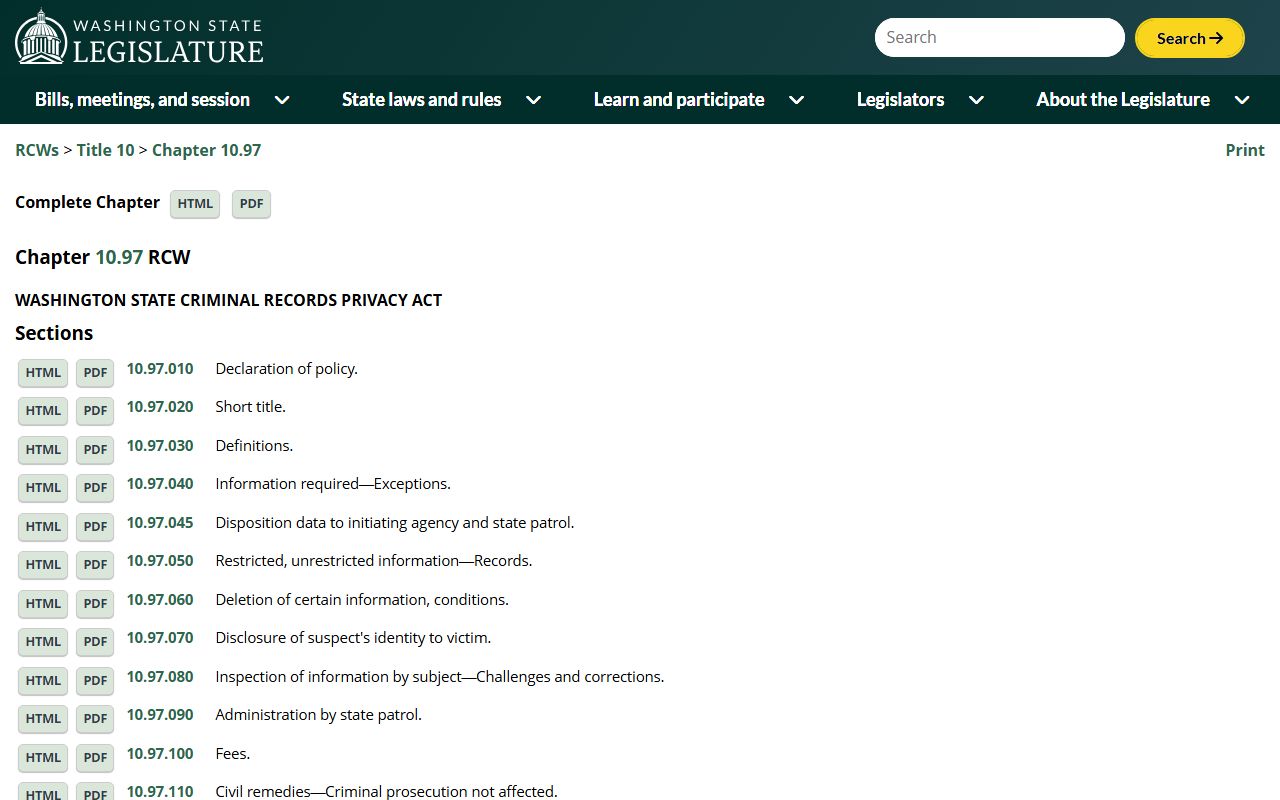
RCW 10.97, the Criminal Records Privacy Act, sets separate rules for criminal history records that work alongside the Public Records Act to govern what police blotter and arrest information can be shared.
RCW Chapter 10.97, the Criminal Records Privacy Act, governs criminal history records specifically. Conviction records can be freely shared. Non-conviction records, meaning arrests that did not lead to a conviction, have limited dissemination. Only criminal justice agencies, the subject of the record, or those specifically authorized by statute can receive non-conviction information. The subject of a non-conviction record may request its deletion. Body-worn camera footage has special rules under RCW 42.56.240(14), including different fees and a separate internal review before release.
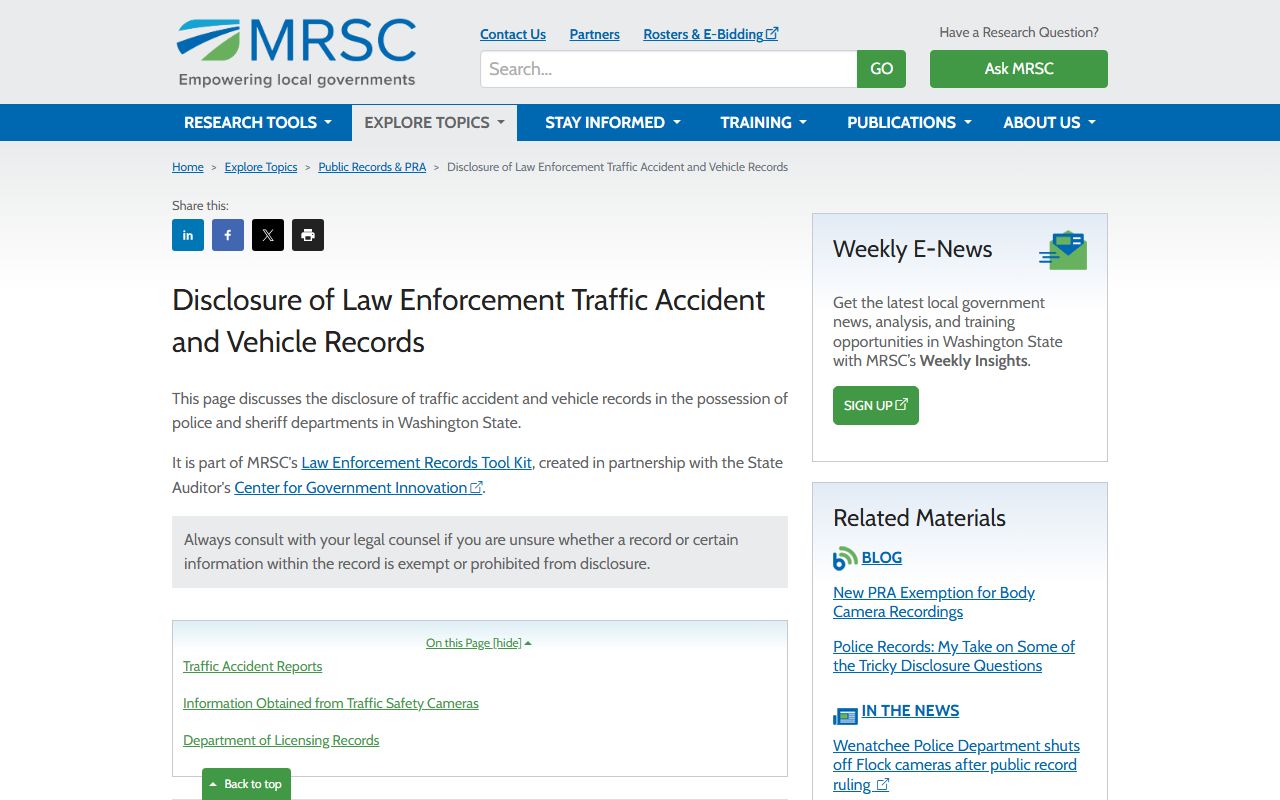
MRSC covers the rules for traffic accident and vehicle records in Washington, explaining which records from police blotters and crash reports are public and which are restricted.
Traffic safety camera data is restricted under RCW 46.63.220. Driving record abstracts and vehicle owner information are protected under separate DOL statutes. Juvenile records carry additional protections and are generally not accessible through standard public records channels. Child sexual assault victim information is protected permanently under RCW 10.97.130 and RCW 42.56.240(5), regardless of the victim's current age.
Note: Child sexual assault victim information cannot be disclosed under RCW 10.97.130 even after the victim turns 18, and this protection applies to all law enforcement records containing that information.
Washington State Archives and Historical Records
The Washington State Archives, operated by the Office of the Secretary of State, manages records retention schedules for state and local agencies including law enforcement. They set the rules for how long police records must be kept before an agency may destroy them.
The Washington State Archives manages retention schedules and historical records for state agencies, providing guidance on how long police blotter and law enforcement records must be held.
The Law Enforcement Records Retention Schedule tells agencies how long different types of police records must be held. Collision reports are retained for 10 years. Incident report retention periods vary by case type and outcome. Records tied to open investigations or serious felonies carry longer retention requirements. Historical records and those with ongoing legal relevance may be transferred to the Archives rather than destroyed. For questions about retention schedules, contact recordsmanagement@sos.wa.gov.
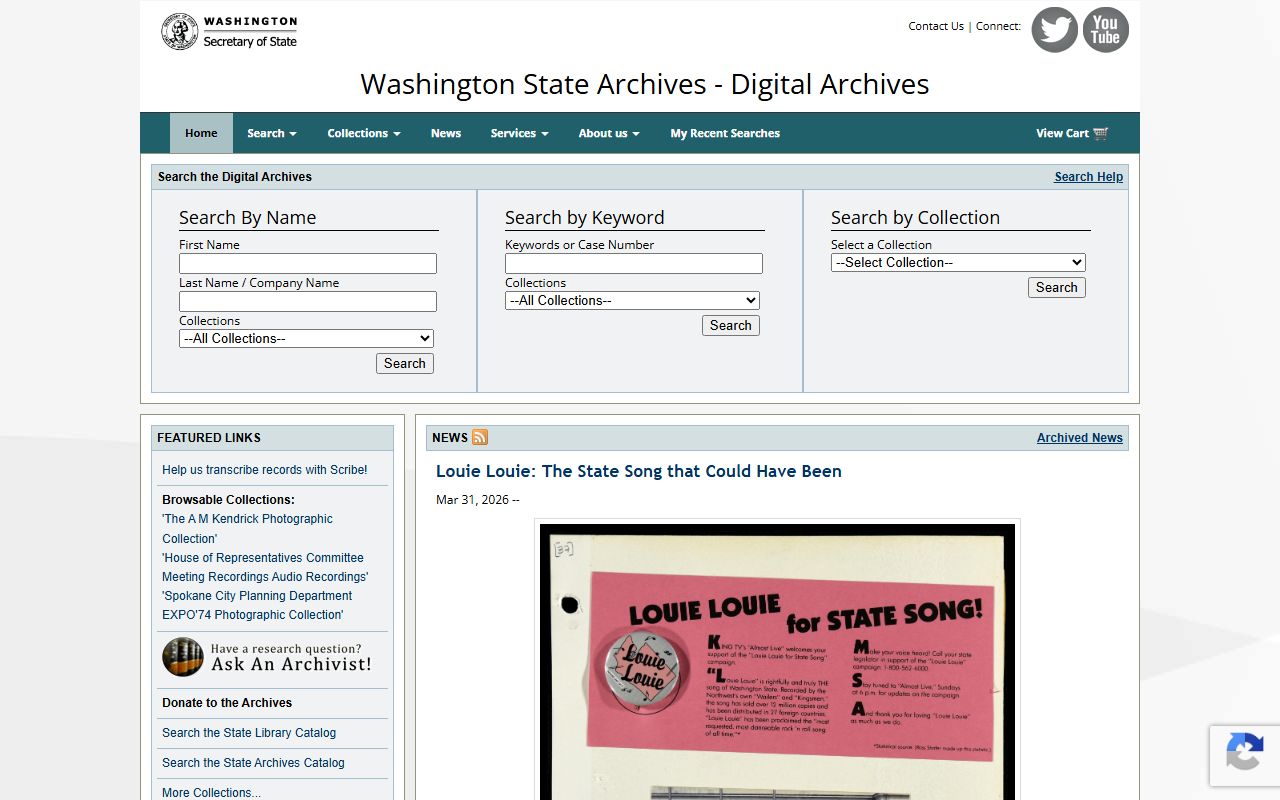
The Washington State Digital Archives provides online access to historical government records including criminal case files and court records from counties across the state going back to around 2000.
The Digital Archives at digitalarchives.wa.gov gives online access to historical records. These include criminal case records, superior court documents, and some historical law enforcement materials. The archive covers roughly 2000 through 2025 for many counties. You can search by name, date, location, and record type. Recent records are generally not available due to privacy rules. Active cases are not accessible through this system. It is most useful for historical research or tracking down closed cases from years past.
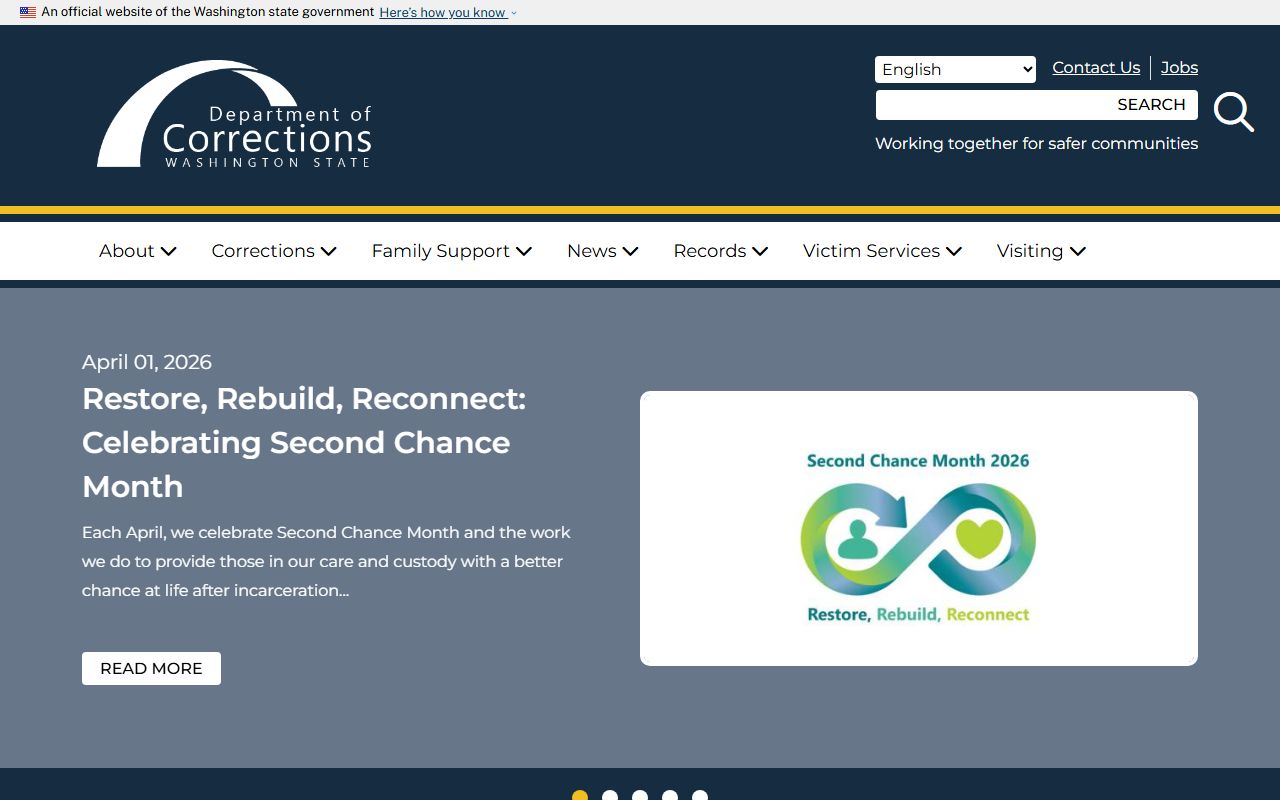
The Washington Department of Corrections offender search lets you look up individuals currently incarcerated or under community supervision, providing context for arrests and convictions documented in police blotters.
The Department of Corrections offender search completes the picture after an arrest and conviction. You can search by name, DOC number, or date of birth. Results show current custody status, facility location, sentence details, release date, and offense history. Only individuals under DOC jurisdiction appear in this system. People serving time in county jail or with shorter sentences may not show up. Juvenile offenders are not accessible through DOC records.
Browse Washington Police Blotter by County
Each of Washington's 39 counties has its own sheriff office, and most have multiple municipal police departments. Select a county to find local police blotter resources, records request contacts, and courthouse details.
View All 39 Washington Counties
Washington Police Blotter by City
Major cities in Washington operate their own police departments with separate blotter records systems. Select a city to find local police blotter access procedures, department contact information, and records request details.